What Are Good Reel Hooks for Clothing Brands That Feel Natural?
In the crowded social media landscape, especially on Instagram Reels, clothing brands face a constant challenge: how to capture viewers’ attention immediately and authentically. Reels offer an incredible opportunity to showcase your brand’s personality and style, but only if your reel hooks — those first critical seconds — feel natural and relatable, not forced or overly salesy.
This comprehensive guide dives deep into reel hook ideas that prioritize lifestyle storytelling over product-only visuals, leverage the power of short-form video for fit and movement, and show how to creatively repurpose existing assets. Plus, learn how to speed up content production and introduce variety using AI-assisted imagery. By the end, you’ll have a toolkit of strategies to create compelling, natural-feeling reels for your clothing brand.
Why Natural Hooks Matter on Instagram Reels
Instagram’s algorithm favors content that instantly grabs attention and encourages viewers to watch till the end. The first 3 seconds—the "hook"—are crucial. But many brands fall into the trap of jumping straight into “buy now” pitches or static product shots that feel disconnected from real life.
Natural reel hooks work because they:
- Relate to viewers' everyday experiences: They address styling problems, lifestyle moments, or outfit dilemmas your audience actually faces.
- Show movement and fit: Clothes are designed to be worn, so dynamic visuals resonate better than flat or static images.
- Build storytelling momentum: Hooks prompt curiosity or empathy, encouraging viewers to stick around for the payoff.
Reel Hook Ideas That Feel Natural and Effective
Based on my 8 years managing indie fashion brands’ social media and keeping a serious note of what flops and what sticks, here are some reel hook ideas that consistently work without feeling gimmicky.
1. Open with a Relatable Styling Problem
Start your reel highlighting a common outfit struggle that your audience experiences. This immediately sparks recognition and interest because viewers say, "Yes, me too!"
- Example: “That moment when your jeans feel too tight by noon...”
- Example: “Can’t decide if you should dress up or keep it casual?”
- Example: “Trying to style this jacket for both work and weekend vibes.”
By presenting a familiar problem, viewers are hooked and ready to see your solution: how your clothes solve that pain point.
2. Use Movement to Showcase Fit
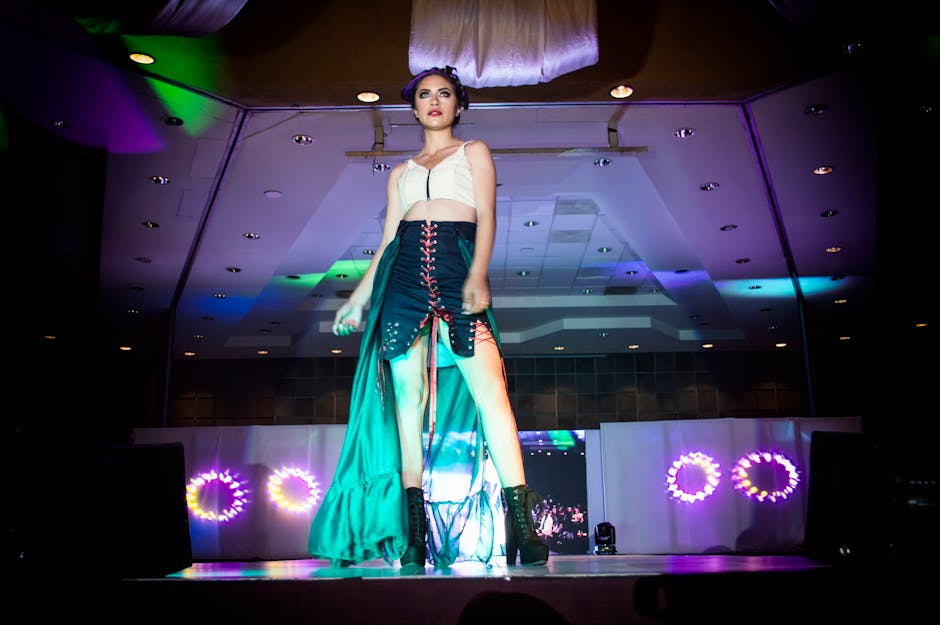
Photos on white backgrounds get ignored. Instead, use short clips of someone walking, twirling, or stretching in your garment. This shows how the fabric moves, how comfortable it is, and the overall vibe.
- Example: Quick shots of a dress swaying in the breeze.
- Example: Side-by-side clip showing a stiff blazer vs. your flexible one during a stretch.
This approach not only looks more natural but also communicates important product details in a subtle, visual way.
3. Repurpose Flat-Lays into Mini Lookbooks
Flat-lay shots rarely perform well in isolation. However, if you creatively animate these shots or turn them into a short lookbook video, they come alive.

- Use simple stop-motion or slide transitions between flat-lays to show different styling options with the same key pieces.
- Overlay quick styling tips or “mix & match” captions for quick outfit payoffs.
This tactic is efficient since it leverages existing photo assets but adds dynamic storytelling, which reels favor.
4. Leverage AI-Assisted Imagery for Speed and Variety
Producing multiple unique reels can be time-intensive and costly. AI tools now offer creative ways to generate varied backgrounds, outfit combinations, or even virtual models styled with your pieces.
- Use AI to create alternative colorways or patterns on your clothing to test how different aesthetics perform.
- Generate quick moodboards that combine your products with lifestyle elements (think: beach, city streets, coffee shops).
- This speediness empowers more frequent content posting without grinding down your budget or resources.
How to Craft Your Reel Hook: A Step-by-Step Approach
Step Action Tips 1 Identify your audience’s top styling pain points Use Instagram comments, DMs, or polls to find out what outfit struggles they talk about. 2 Map the problem to your product’s benefit e.g., If your audience dislikes "restrictive pants," highlight how your jeans stretch and breathe. 3 Choose a lifestyle setting or scenario Before shooting, ask yourself, “What is the setting?” — office, weekend, casual brunch, vacation? This adds context. 4 Create a short script or caption that teases a solution Keep it conversational and human, not salesy. Example: “Wish your shirt worked from meeting to margaritas? We’ve got you.” 5 Film dynamic, real-life movement Have your model walk, sit, or interact naturally instead of holding stiff poses. 6 Incorporate repurposed assets or AI-assisted visuals if needed Add variety by mixing footage, lookbooks, and AI-enhanced images. 7 Edit with fast cuts and clear focus on your hook No filler. The first 3 seconds must signal the relatable styling problem or lifestyle moment.Examples of Reel Hooks for Clothing Brands
- “When your favorite tee wrinkles by lunchtime — and you’re still on the move.” (Cut to a clip showing the fabric’s wrinkle resistance and stretch.) dcfashionweek
- “How to style one jacket for 3 totally different moods.” (Use quick cuts between casual, work, and night out looks.)
- “Still hunting for pants that don’t pinch your waist?” (Show side-by-side comparison with regular pants, then yours.)
- “When comfort meets chic — and you don’t have to sacrifice either.” (Model walking confidently in your outfit on city streets.)
- “From beach day to dinner date: one dress, unlimited vibes.” (Fast-cut lookbook of multiple styling accessories.)
Tips to Avoid Posts That Flop
Based on my note of “posts that flopped and why,” here’s what to avoid:
- Flat product shots on white without context: These get scrolled past immediately. Always situate your clothing in an authentic lifestyle context.
- Overloading captions with jargon or press-release style language: Speak as a person, not a brand robot.
- Generic claims of “premium quality” without demonstrating or showing proof in use: Show fabric, fit, and real wear instead.
- Ignoring time and budget constraints: Use your existing assets and AI tools smartly. No need to shoot everything from scratch every time.
Conclusion: Make Your Reel Hooks Work Hard by Feeling Real
Great reel hooks for clothing brands don’t have to be flashy or overly produced. They work best when you start with relatable styling problems and build a quick, engaging narrative around fit, movement, and lifestyle use. By repurposing assets thoughtfully and integrating AI-assisted imagery, you can produce reels more efficiently and diversify your feed.
Remember to always ask yourself, “What is the setting?” before filming, to keep your visuals rooted in authentic moments your audience recognizes. Mix in your stories with dynamic movement, casual language, and real-life scenarios for reel hooks that not only capture attention but also build deeper connections with your clothing brand.
Ready to create reels that don’t just show clothes but tell your brand’s story? Start with one relatable styling problem today and watch your engagement rise!